Veneers Oxnard CA: Cosmetic Dentistry Made Easy
A great veneer case does not start with porcelain. It starts with a conversation about what bothers you when you smile, what you want to keep, and what you absolutely do not want changed. Some people walk into a cosmetic consultation with a single photo on their phone and say, “I want this.” Others are more specific. They want the chip on one front tooth gone, the dark stain covered, or the uneven edge line softened without looking like they had “work done.”
That distinction matters. Veneers can transform a smile, but the best results rarely look dramatic up close. They look balanced, clean, and believable. In a place like Oxnard, where people spend a lot of time outdoors, socialize often, and care about appearance without wanting anything too flashy, that natural finish tends to be the goal. When people search for Veneers Oxnard CA, they are often looking for exactly that, cosmetic dentistry that feels approachable, practical, and tailored to everyday life.
The phrase “made easy” should not mean rushed. It should mean clear planning, good communication, and a treatment process that removes uncertainty. Veneers are one of the most reliable cosmetic options in modern dentistry, but they still require judgment. Not every stain needs a veneer. Not every gap should be closed with porcelain. Not every patient should get eight or ten teeth treated at once. The right plan depends on the bite, enamel quality, gum health, and how much change the patient actually wants.
What veneers really do well
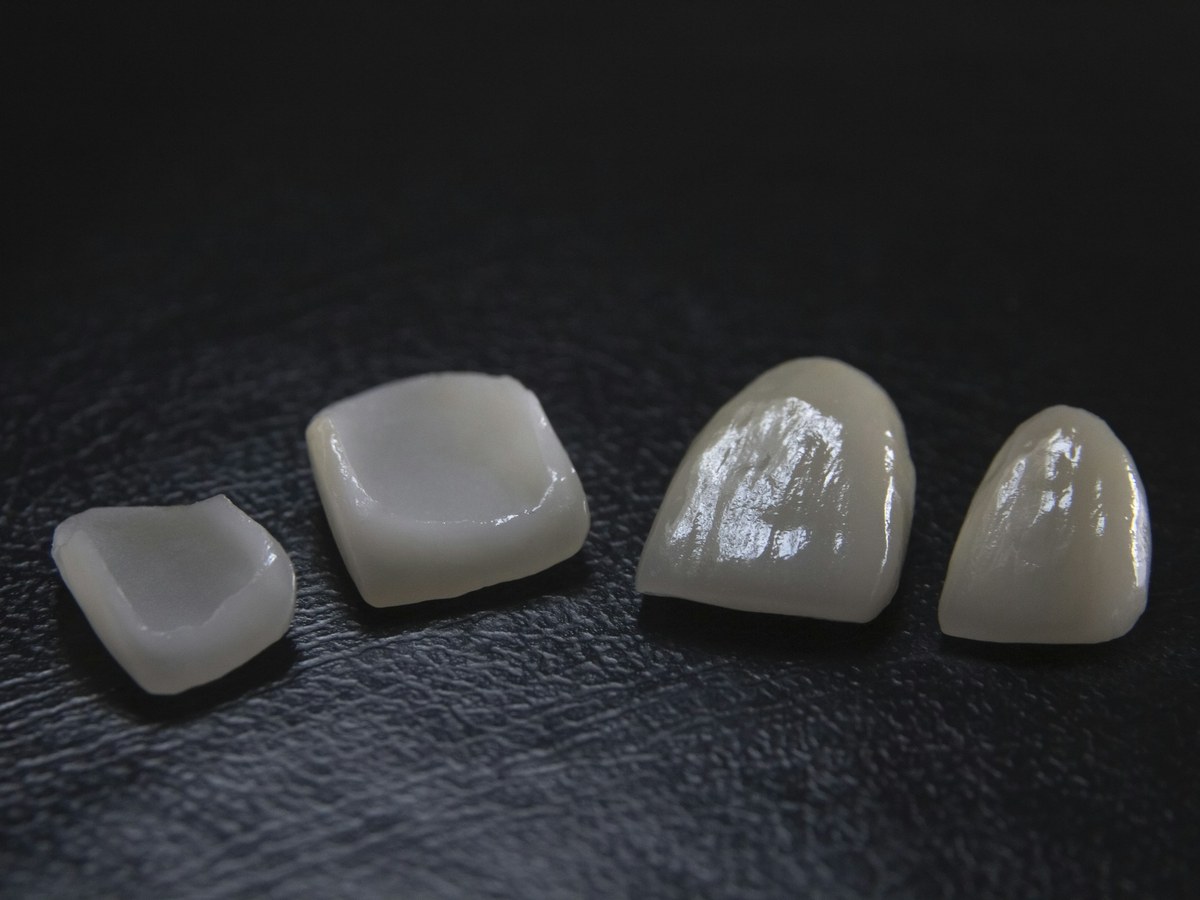
Veneers are thin coverings, usually made from porcelain or a similar ceramic material, that bond to the front surface of teeth. They are commonly used on visible upper front teeth, and sometimes on lower front teeth when those teeth show significantly during speech or smiling. Their job is cosmetic, but the cosmetic effect can solve several concerns at once.
They are especially effective when the issue is shape, color, proportion, or minor alignment. A worn tooth can look youthful again. A stubborn discoloration that whitening could not touch can be masked. A small gap can disappear. A tooth that has always looked too narrow, too short, or slightly twisted can be brought into line visually, even if orthodontics is not part of the plan.
That versatility is why veneers remain popular. A single treatment can address multiple concerns without the long timeline of braces or the limited reach of bleaching. At the same time, that flexibility can lead patients to think veneers are a one size fits all answer. They are not. Veneers are best when they are chosen for the right reasons and designed conservatively.
A patient with healthy enamel, stable gums, and a realistic sense of the result often does very well. A patient with active grinding, untreated decay, or major bite problems may need other care first. This is where experience in cosmetic dentistry matters. The artistry gets most of the attention, but the diagnosis is what protects the outcome.
The difference between a good veneer case and an overdone one
Many people worry about ending up with teeth that look too opaque, too bulky, or too uniform. That fear is reasonable. Poorly planned veneers can flatten the personality out of a smile. Natural teeth are not identical rectangles. They reflect light differently, show subtle translucency near the edge, and vary in tiny ways that make them look alive.
When veneers are done well, those details are respected. The dentist does not just pick a bright shade and make every tooth the same size. They study facial features, lip movement, midline, tooth display at rest, and the way the lower lip follows the upper teeth when smiling. They also account for age. A twenty five year old smile and a sixty year old smile naturally present differently, and the best cosmetic work supports the person in front of you rather than chasing a generic “perfect” look.
Sometimes the more skillful choice is to treat fewer teeth. If one front tooth has a chip and another is slightly darker from old trauma, it may make sense to veneer or restore only the teeth that need it, then whiten the rest. In other cases, matching a single veneer to surrounding teeth can be harder than treating a small group together. There is no universal number. The right answer depends on how much symmetry is needed and how visible the mismatch would be.
When veneers make sense, and when another option may be better
A careful consultation often includes alternatives. That is usually a good sign. If the only solution offered is veneers, regardless of the problem, the planning may be too narrow.
Veneers tend to make sense in situations like these:
- Teeth with discoloration that does not respond well to whitening
- Small chips, uneven edges, or worn front teeth
- Mild spacing or shape issues that affect smile balance
- Teeth that are slightly misaligned but do not require full orthodontic correction
- Cases where a patient wants a long lasting cosmetic upgrade with strong stain resistance
There are also times when a different route is more sensible. Bonding can be a better choice for a small chip or a tiny gap, especially when the patient wants something more affordable and minimally invasive. Orthodontics may be better for moderate crowding, rotated teeth, or bite problems, because moving teeth is often healthier than covering a position issue with restorative material. Whitening is still the first stop for generalized yellowing when tooth shape is already pleasing.
This is one of the most common misunderstandings in cosmetic dentistry. Veneers can mimic straighter teeth, but they do not correct the underlying alignment. They can create the look of better positioning by adjusting visible contours. That can work beautifully in mild cases. In more significant cases, it can lead to teeth that look wider or bulkier than ideal. Skilled dentists know when to say, “This can be done,” and when to say, “This can be done, but I would not recommend Veneers Oxnard CA it.”
What the process usually looks like
For people considering Veneers Oxnard CA, the process is often simpler than expected, though it still involves several precise steps. Cosmetic dentistry feels easy when the office has a clear workflow and the patient understands each stage.
The first visit is usually about planning. Photos are taken, impressions or digital scans may be made, and the dentist evaluates smile line, bite, gum contour, and tooth condition. This is also the moment to talk about preferences. Some patients want a brighter look, but not stark white. Others want edges that look youthful, not too rounded, not too square. Those preferences are easier to build into the final design when discussed early.
If veneers are the best option, the next step may involve a preview. Depending on the office, that could mean a digital simulation, a wax up, or a temporary mockup placed on the teeth to show general shape and length. Mockups are especially helpful because they move the conversation out of theory. A patient can see whether longer front teeth feel elegant or excessive, whether the smile looks broad enough, and whether speech feels normal.
Tooth preparation varies. Some veneers require only minimal enamel reshaping. Others may need more reduction, especially if the teeth are protrusive, dark, or being significantly reshaped. Conservative preparation is preferred whenever possible because enamel provides the strongest bonding surface. “No prep” veneers are heavily marketed, but they are not automatically better. If no preparation leads to bulky contours or compromised gum health, it is not the more conservative choice in a practical sense. It is simply less drilling with a potentially worse result.
Temporary veneers may be placed while the final restorations are being fabricated. These are not just placeholders. They offer useful feedback about length, shape, and comfort. Patients often discover small preferences at this stage. Maybe the canine tips feel too sharp, or the two central teeth need a slightly softer edge. That kind of refinement is normal.
At the delivery appointment, the veneers are tried in, evaluated, and bonded. Shade, symmetry, contact points, and bite are checked carefully. Once bonded, the dentist polishes margins and makes bite adjustments as needed. For most patients, there is little downtime beyond brief sensitivity or adjustment to the new contours.
Porcelain versus composite, the trade-offs patients should know
Porcelain veneers and composite veneers can both improve a smile, but they differ in longevity, appearance, and maintenance. Porcelain is generally more stain resistant and more stable over time. It also tends to reproduce natural light reflection better, which matters in the front of the mouth. Composite can be a smart option for smaller cosmetic corrections or for patients who want a lower initial cost, but it is more prone to wear and staining.
This is not only a budget decision. It is also a lifestyle and expectation decision. Someone who drinks coffee daily, wants a durable polished finish, and hopes to keep the result for many years often leans toward porcelain. Someone needing modest reshaping on one or two teeth may be perfectly happy with composite, especially if future touch ups are expected.
Patients sometimes ask whether porcelain lasts “forever.” It does not. Well made veneers can last many years, often into the ten to fifteen year range and sometimes longer, but longevity depends on case design, home care, grinding habits, diet, and bite forces. The more honest way to discuss lifespan is to say that veneers are durable restorations, not permanent in the sense of never requiring maintenance or replacement.
Cost in context, not just a price tag
Cost is part of every veneer discussion, and it should be. Cosmetic dentistry is an investment, and insurance often does not cover purely elective treatment. The price can vary based on the number of veneers, the material used, the complexity of the case, and the planning involved. A single veneer on a very visible front tooth can require as much artistry as several less demanding units. Cases that involve temporaries, previews, gum contouring, or coordination with whitening may also cost more.
The better question is not simply, “How much per tooth?” It is, “What is included, and what kind of result am I paying for?” A lower fee can be appealing, but if the process skips planning, mockups, detailed shade communication, or follow up adjustments, the cheaper route may become expensive later. Cosmetic revisions are frustrating and often more complicated than getting it right the first time.
Patients in Oxnard often compare veneers to orthodontics, bonding, or whitening. That comparison is healthy. Veneers are not “better” in every situation. They are better when the smile concerns involve several elements at once and the patient values a polished, comprehensive result. If the issue is limited to color alone, whitening may deliver far better value. If the issue is position, aligners may be the more biologic solution.
Choosing a cosmetic dentist in Oxnard without getting overwhelmed
The hardest part for many patients is not deciding they want veneers. It is figuring out whom to trust. Cosmetic dentistry sits at the intersection of health care, craftsmanship, and aesthetics. Credentials matter, but so does taste. A technically competent dentist can still produce results that feel too aggressive or too artificial for your face.
That is why before and after photographs are useful, but only if you read them critically. Look for consistency. Do the smiles still suit the individual? Are the veneers all the same bright white? Do the front teeth look bulky? Are the edges soft and natural, or flat and opaque? The best cases often do not shout. They simply look better.
During a consultation, a few questions can reveal a lot:
- What alternatives would you consider in my case besides veneers?
- How many teeth do you think actually need treatment?
- Will I be able to preview the shape and length before final bonding?
- How much natural tooth structure will need to be removed?
- What happens if I grind my teeth or need adjustments later?
Those questions tend to separate sales language from real treatment planning. A thoughtful answer usually includes nuance. A strong cosmetic dentist can explain not only what they recommend, but why they would avoid a more aggressive plan if it is unnecessary.
Real life concerns patients bring up most often
Sensitivity is a common concern. Some patients experience temporary sensitivity after preparation or bonding, particularly to cold. In many cases it settles. The degree depends on how much enamel was altered and whether the teeth were already prone to sensitivity.
Speech is another concern, especially for patients whose work involves talking. Changes in tooth length and contour can briefly affect certain sounds, especially “s” and “f.” This usually improves as the tongue adjusts, but a well designed mockup helps catch any obvious issues before the final veneers are made.
Then there is the question people sometimes ask quietly at the end of the appointment: “Will everyone know?” Usually, no, not if the case is done well. Friends may notice that you look refreshed or that your smile is brighter. They should not immediately identify veneers unless the change is intentionally bold.
One patient I remember had spent years hiding a lateral incisor that was undersized and slightly turned. She assumed she needed braces and a major cosmetic overhaul. What she actually needed was restrained treatment, whitening, and two carefully proportioned veneers to balance the front teeth. The result did not look dramatic in a dental lab sense. It looked dramatic in her life because she stopped covering her mouth when she laughed. That is the kind of result most people want.
Maintenance is simple, but not optional
Veneers do not decay, but the teeth underneath and around them still need care. Gum inflammation around veneers can make even beautiful work look poor. Daily brushing, flossing, and routine cleanings remain essential. So does wearing a night guard if grinding is part of the picture.
Diet matters less in terms of staining than it would with natural teeth or composite, but veneers are not indestructible. Biting ice, opening packages with teeth, or repeatedly chewing very hard items can chip restorations. Those habits damage natural teeth too, but cosmetic restorations make patients more aware of the consequences.
Regular follow up matters for another reason. Tiny bite discrepancies can become meaningful over time, especially in patients with clenching patterns. A minor adjustment early can protect a restoration from excess force later.
Why local context matters in Veneers Oxnard CA
Searching for Veneers Oxnard CA is not only about geography. It is about convenience, follow up access, and finding a practice that understands the preferences of the local community. Cosmetic dentistry often involves more than one visit, and occasional post delivery adjustments are normal. Being able to return easily matters.
There is also an aesthetic culture to every region. In some places, patients want the brightest possible smile and a highly polished look. In others, they ask for something softer and more understated. Oxnard patients often fall into the second camp, people who want to look healthy, attractive, and put together without crossing into obvious cosmetic work. That local preference shapes how experienced dentists present shade options, edge design, and overall smile architecture.
A local practice may also be more attuned to practical scheduling needs. Many patients are balancing work, family obligations, and commutes. A veneer process that is clearly explained, digitally organized, and efficiently sequenced can reduce stress substantially. Ease does not come from skipping steps. It comes from eliminating confusion.
The best veneer plans feel conservative, even when the result is striking
The paradox of excellent cosmetic dentistry is that significant improvement often comes from restraint. The dentist adds what Oxnard Dentistry Veneers Oxnard CA is necessary, preserves what is healthy, and refuses changes that would compromise long term success for short term visual impact.
That can mean recommending orthodontics first in a crowded case. It can mean limiting treatment to four teeth instead of ten. It can mean selecting a softer shade than the patient initially requested because it will age better on their face. These decisions are not less cosmetic. They are more sophisticated.
For anyone seriously exploring Veneers Oxnard CA, the smartest first step is not to ask for the biggest transformation. It is to ask for the most appropriate one. The right veneer case should fit your features, your bite, your maintenance habits, and your comfort level with change. When those pieces line up, cosmetic dentistry stops feeling intimidating. It becomes a clear, manageable path to a smile that looks better because it still looks like you.
Oxnard Dentistry
1730 E Gonzales Rd, Oxnard, CA 93036, United States
+1 805-307-8731
FAQ About Veneers Oxnard CA
How long do porcelain veneers last?
Porcelain veneers can last for many years, but they can chip, loosen, or wear over time. Their lifespan depends on factors such as your bite, whether you grind your teeth, and daily care. Regular dental visits let your dentist check their condition.
Are dental veneers permanent?
Traditional veneers often require removing a small amount of enamel, so that change to the tooth is generally irreversible. Veneers can still need repair or replacement. Ask your dentist how much preparation your teeth would require.
How much do veneers cost in Oxnard?
Cost depends on the material, how many teeth you want treated, and whether you need other dental work first. Ask for a written estimate that explains the price per tooth and what is included.